
Regenerative Plants & Products
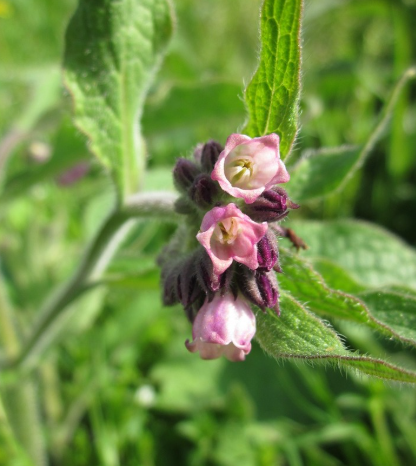
1. Comfrey (Symphytum officinale)
Also known as boneset or knitbone, comfrey is a robust perennial herb reaching 60 cm to 1.5 m in height, with hairy lance-shaped leaves and winged stems.
Uses:
Soil Fertility: High in nitrogen, potassium, and phosphorus. Leaves are ideal for compost tea, green mulch, or compost activator.
Pollinator Plant: Nectar-rich flowers attract bumblebees and beneficial insects.
Topical Medicinal Use: Historically used for bruises and joint pain. Contains compounds toxic to the liver if ingested or applied to open wounds.
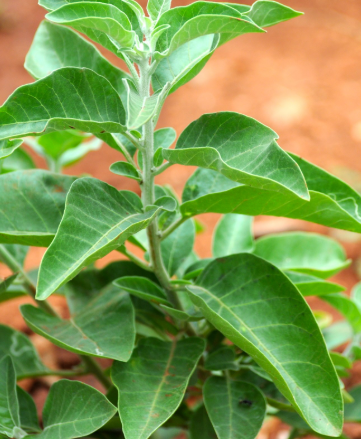
2. Ashwagandha (Withania somnifera)
A small evergreen shrub growing 35–75 cm tall with oval leaves and orange-red berries.
Uses:
Reduces stress and anxiety
Boosts energy and stamina
Enhances memory and brain function
Supports hormone balance and fertility
Strengthens the immune system
Regulates blood sugar and thyroid function
Commonly consumed as a powder, tea, or capsule.
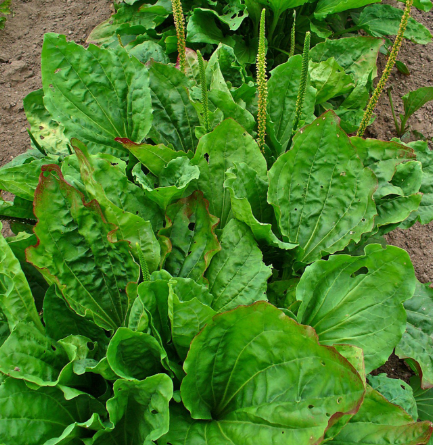
3. Plantago major (Broadleaf Plantain)
Hardy perennial herb with slender spikes of greenish flowers. Thrives in disturbed soils and is easy to cultivate.
Uses:
Wound poultice for cuts, burns, and insect bites
Soothes digestive and respiratory inflammation
Supports immune health and acts as a mild laxative
Edible leaves: Young leaves can be eaten raw or cooked
Sustainable and ideal for regenerative farming
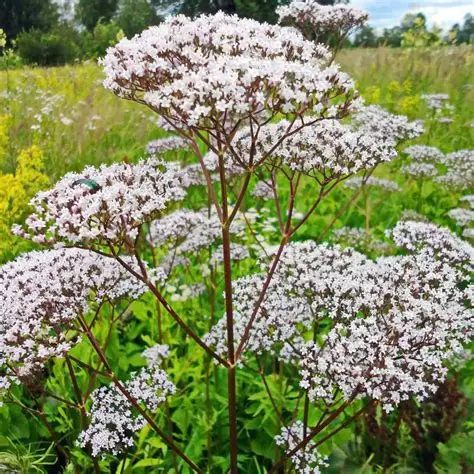
4. Valerian (Valeriana officinalis)
A perennial with tall stems and clusters of fragrant white or pale pink flowers.
Uses:
Natural sleep aid and mild sedative
Reduces stress, anxiety, and tension
May ease muscle pain and menstrual cramps
Encourages relaxation without heavy sedation
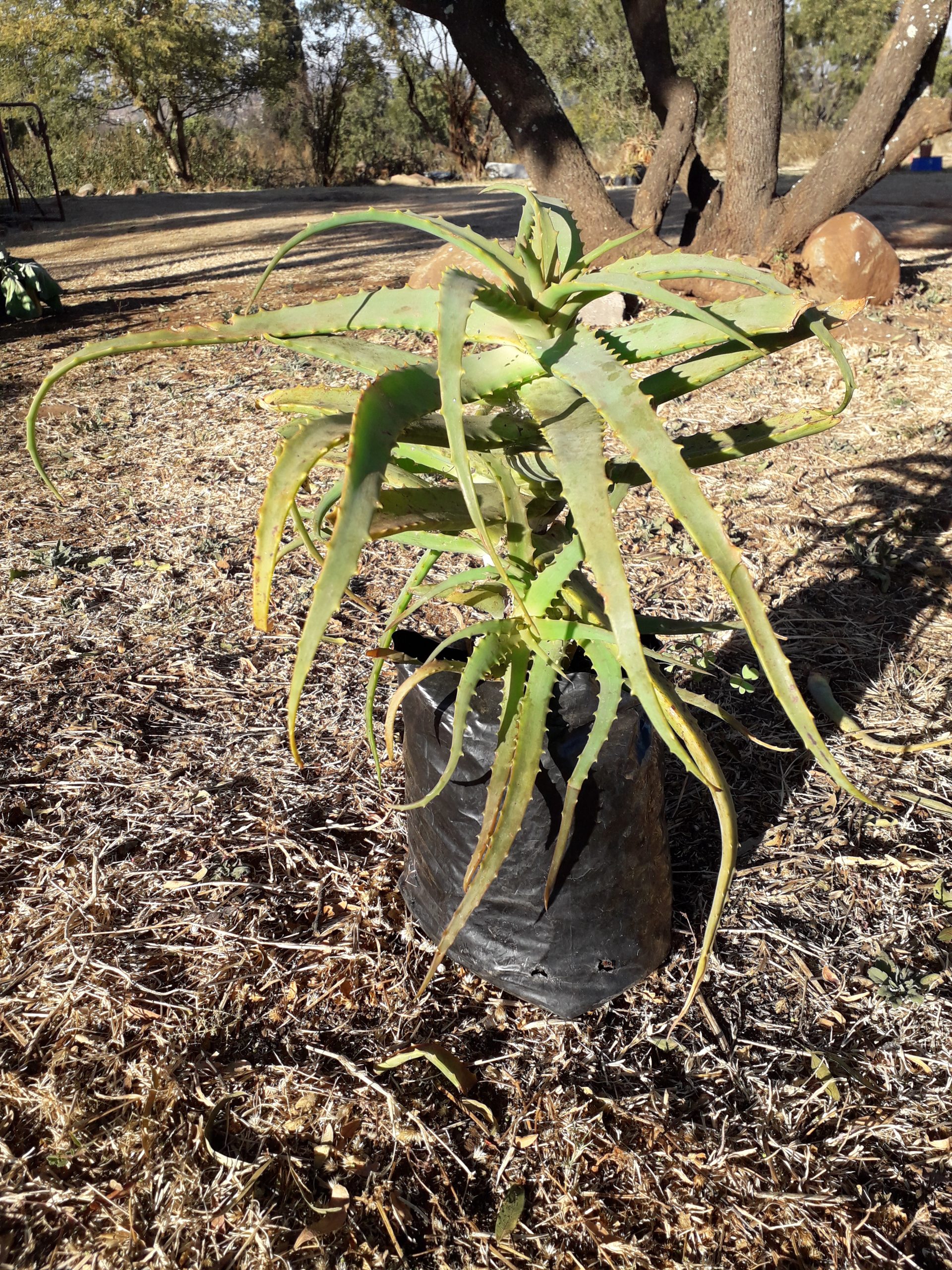
5. Aloe arborescens (Torch Aloe)
A drought-resistant succulent native to dry, rocky areas.
Uses:
Gel soothes burns, cuts, and inflammation
Internal use (with guidance) supports digestion and detox
Antioxidant and antimicrobial properties
Commonly used in natural skin care
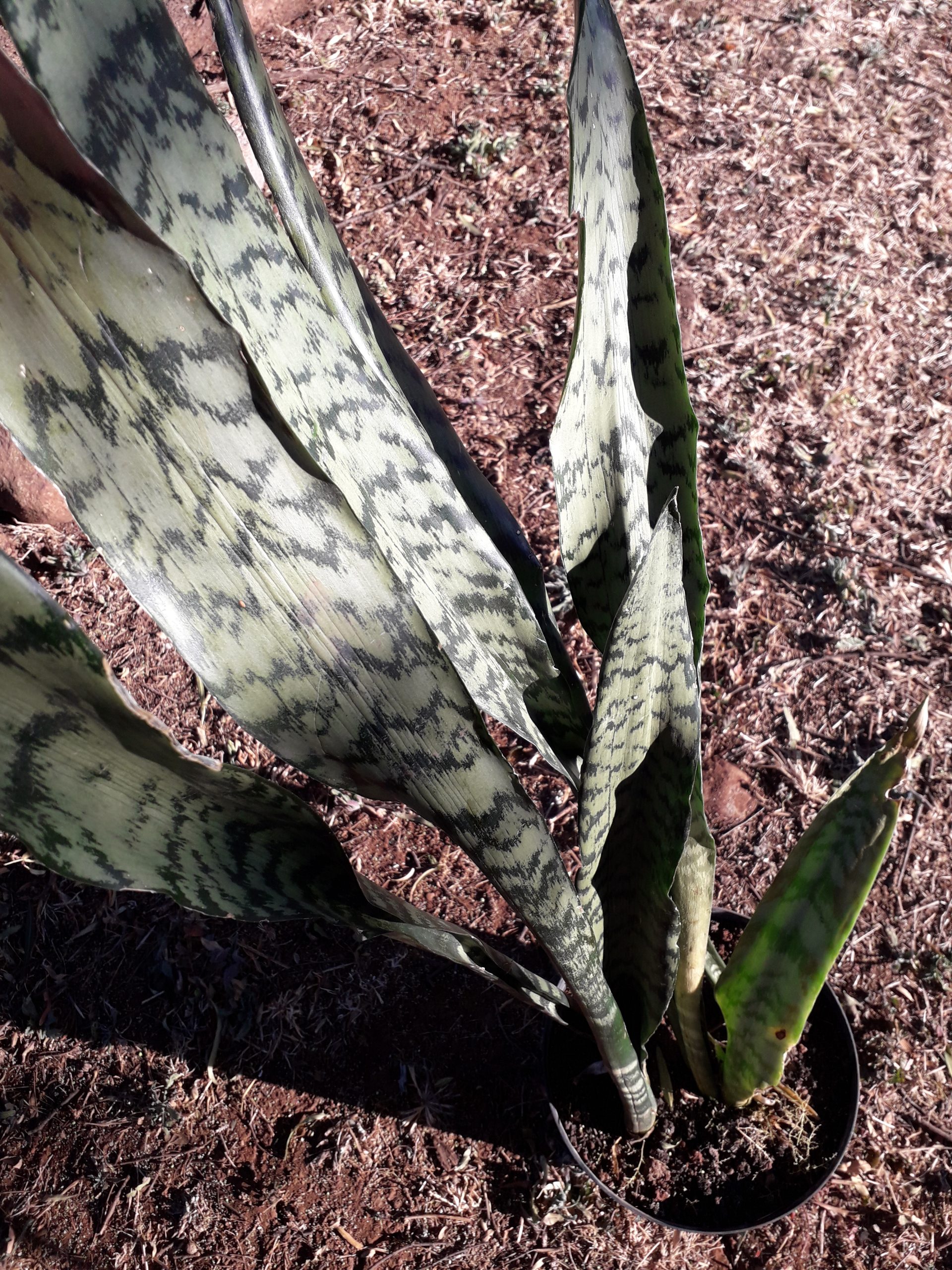
6. Sansevieria trifasciata (Snake Plant)
Upright, sword-shaped leaves with variegated green-yellow patterns. Extremely low maintenance.
Uses:
Air Purification: Removes indoor toxins
Decorative: Ideal for homes and offices
Traditional Use: Leaf extracts used in some cultures for skin care
Great for Beginners: Tolerates neglect and low light
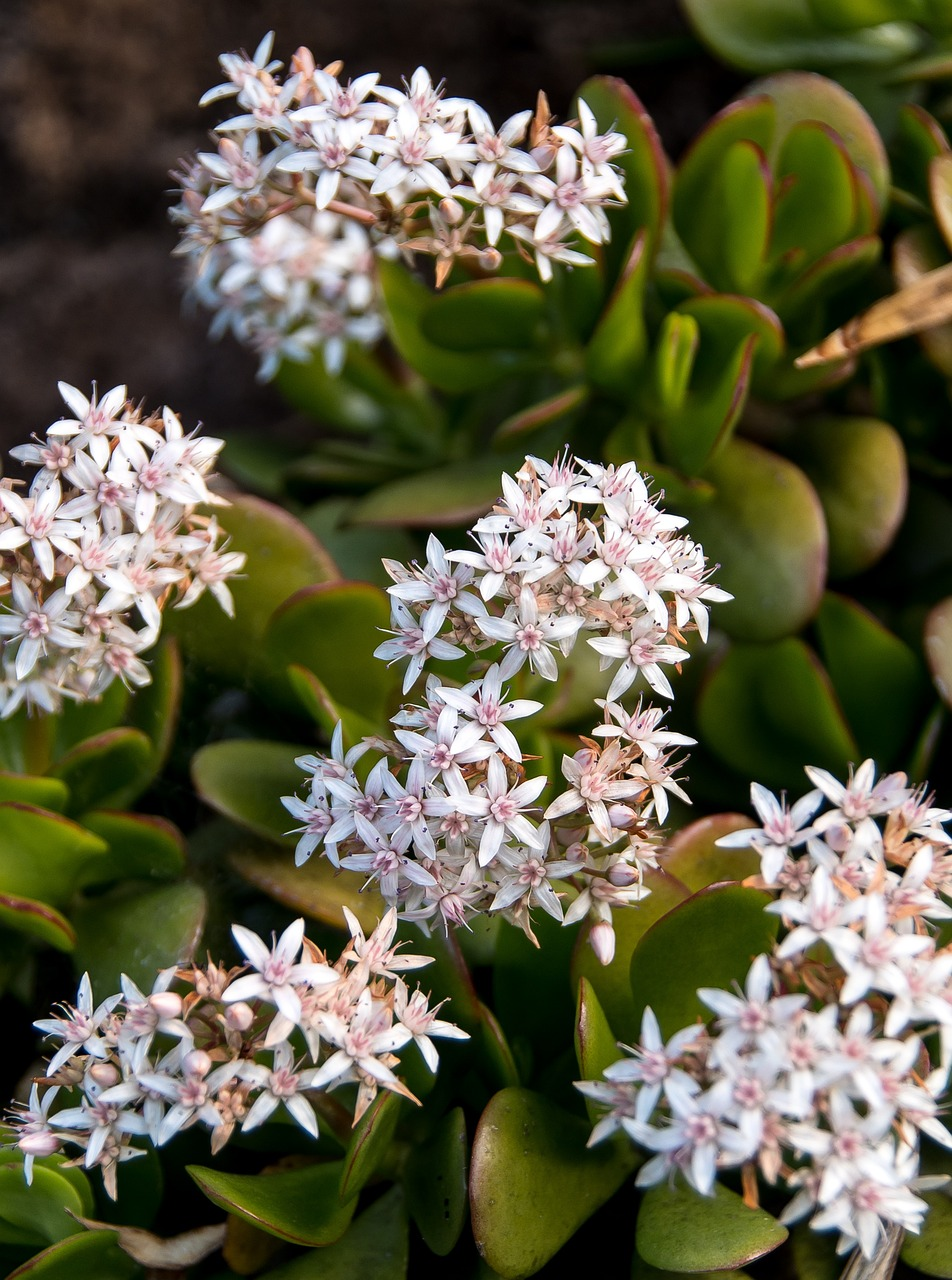
7. Jade Plant (Crassula ovata)
A fleshy-leaved succulent often shaped like a mini tree. Easy to grow indoors.
Uses:
Ornamental: Symbol of luck and prosperity
Air Quality: Adds humidity and absorbs indoor toxins
Folk Medicine: Crushed leaves used topically for minor skin issues
Beginner Friendly: Drought-tolerant and low effort
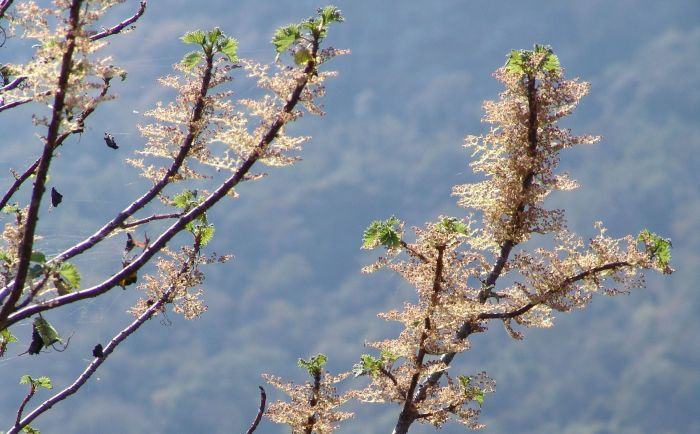
8. Mountain Stinging Nettle (Obetia tenax)
An evergreen shrub or small tree native to Southern Africa. Found along riverbanks and forest edges.
Uses:
Treats skin conditions in traditional medicine
Livestock fodder in rural communities
Stabilizes soil and prevents erosion
Supports biodiversity by attracting birds and insects
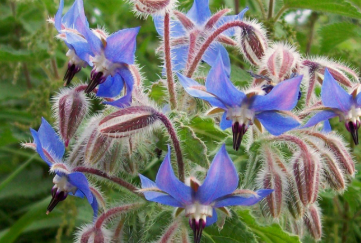
9. Borage (Borago officinalis)
Tall plant with star-shaped blue flowers and bristly leaves. Grows up to 100 cm.
Uses:
Culinary: Edible flowers and leaves with a cucumber flavor
Medicinal: Reduces inflammation, supports adrenals and lungs
Skin Health: Borage oil helps treat eczema
Pollinator Magnet: Loved by bees
Soil Health: Ideal green manure or cover crop in regenerative systems
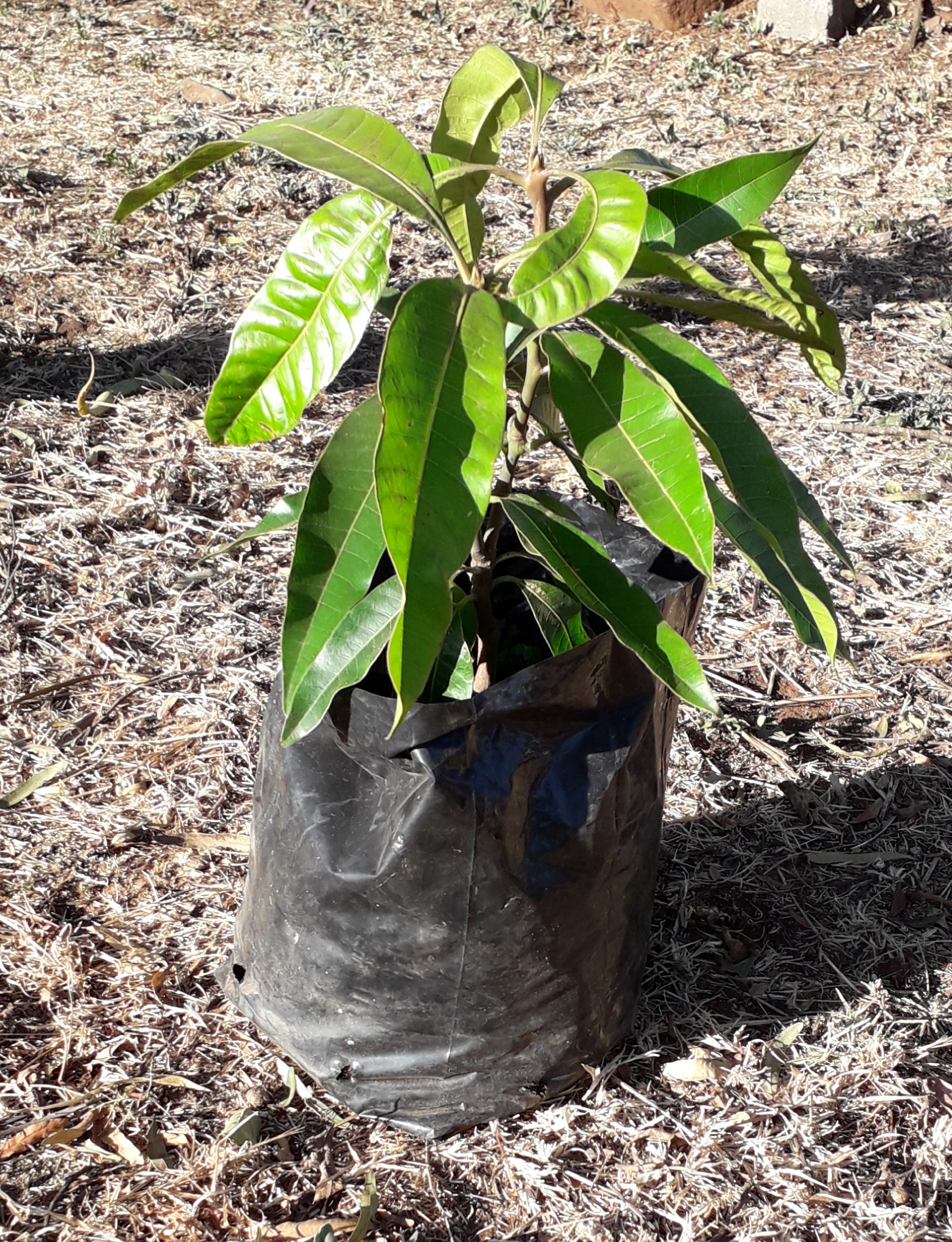
10. Mango (Mangifera indica)
Fast-growing tropical fruit tree with glossy green leaves and sweet, juicy fruit.
Uses:
Nutritional: Rich in vitamins A & C
Cultural Importance: Widely loved and cultivated in warm climates
Shade & Microclimate: Provides canopy for smaller plants
Agroforestry Value: Suitable for mixed regenerative systems
Soil & Fertility Boosters
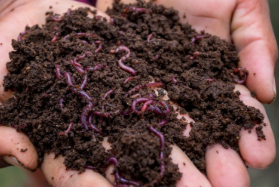
11. Vermicompost (Worm Castings)
High-quality organic compost produced by earthworms.
Nutrient Composition (per kg):
Nitrogen: 36g
Phosphorus: 5g
Potassium: 14g
Calcium: 18g
Magnesium: 5g
pH: 7.55
Net Volume: 15dm³
Improves soil texture, water retention, and microbial activity.
12. Vermitea (Liquid Worm Compost Extract)
Microbe-rich liquid fertiliser brewed with:
Vermicompost
Borehole water
Kelp
Sea salt
Molasses
Rock dust
Preparation: Anaerobically fermented for 2 months. Promotes plant health and resilience.
Energy for Regeneration
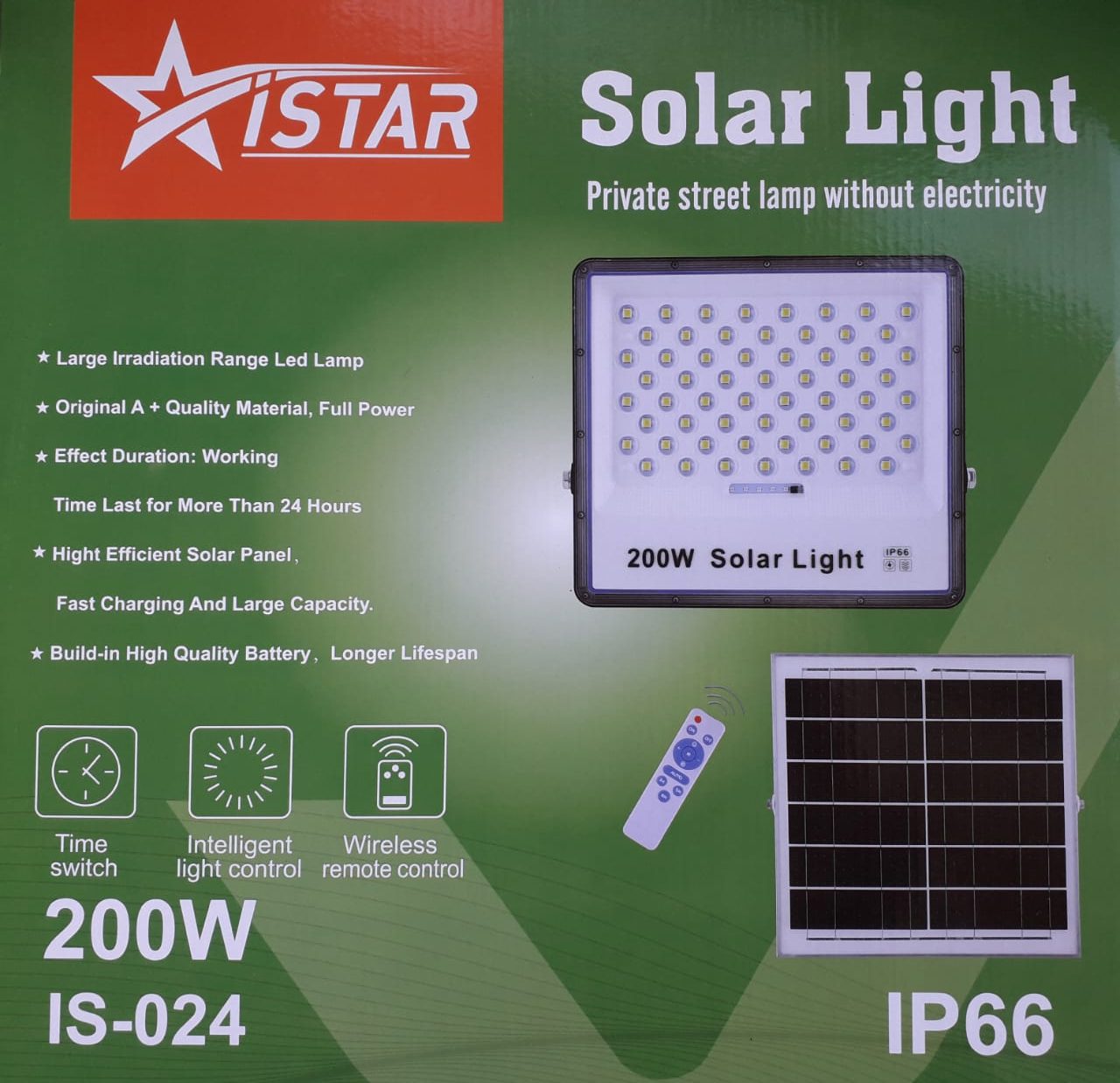
13. Solar Light + Panel (200W, IP66 Rated)
A powerful all-weather solar solution for farming and homestead use.
Features:
200W light with solar panel
IP66 waterproof rating (resistant to heavy rain and dust)
Ideal for lighting garden areas, tunnels, or collection points
No grid electricity needed
Why Solar Matters in Regenerative Farming:
Solar power reduces reliance on fossil fuels, minimizes energy costs, and supports off-grid farming systems. It enables sustainable irrigation, lighting, and processing in remote or rural areas — all while reducing carbon footprint and improving energy resilience.
Regenerative farming
Regenerative farming is a holistic approach to agriculture that focuses on building soil health, promoting biodiversity, and creating a sustainable ecosystem. We use natural methods to control pests and diseases, and avoid synthetic fertilizers and pesticides